
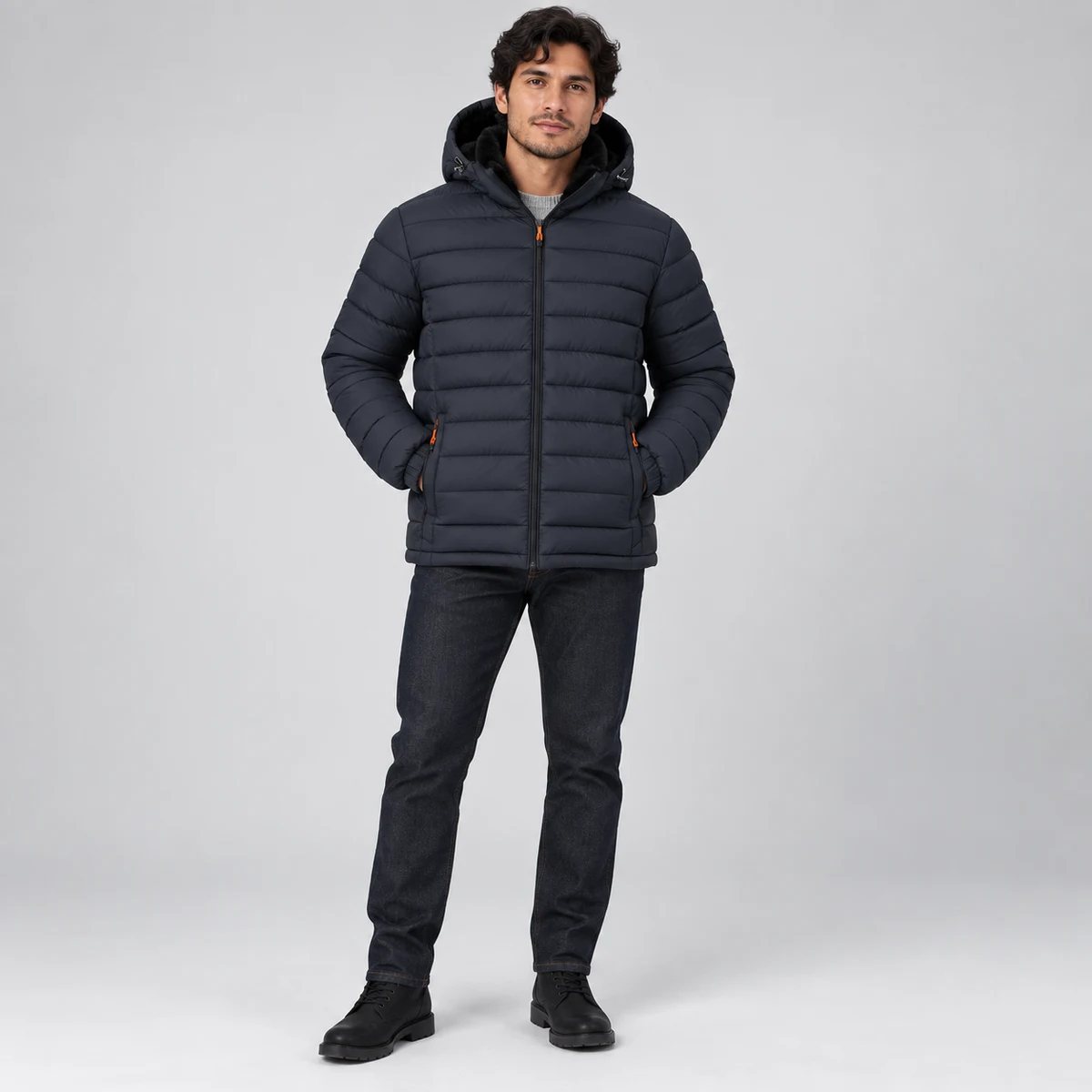
The most effective way to source ropa térmica for Peru is to translate the market term into a complete buyer brief covering style, materials, sizing, packaging and order conditions. Peruvian apparel buyers may serve coastal, highland and city retail channels, so a practical jacket range should be built around clear use cases rather than a single generic specification. In this article, the focus is insulation and construction, using “padded jacket insulation” as the core buyer keyword while keeping the language natural for search users. The objective is to help importers, retailers, distributors and private-label buyers compare options on evidence rather than on marketing language alone.
Start by defining the product's role in the assortment. Write down the target consumer, selling channel, expected weather use, target retail position and acceptable landed-cost range. Then translate those commercial goals into a supplier brief covering filling type, fill weight, loft, lining and baffle construction. For Peru, this step helps prevent an inquiry for “ropa térmica” from turning into a generic jacket quotation that is difficult to compare across factories.
The filling system should be specified by material type, weight and construction instead of by a vague promise of warmth. Synthetic padding can be built at different weights and loft levels, and the final thermal feel also depends on shell wind resistance, lining, quilting pattern, garment length, cuffs and hood design. Two jackets using similar filling can perform differently if their construction allows different levels of air movement.
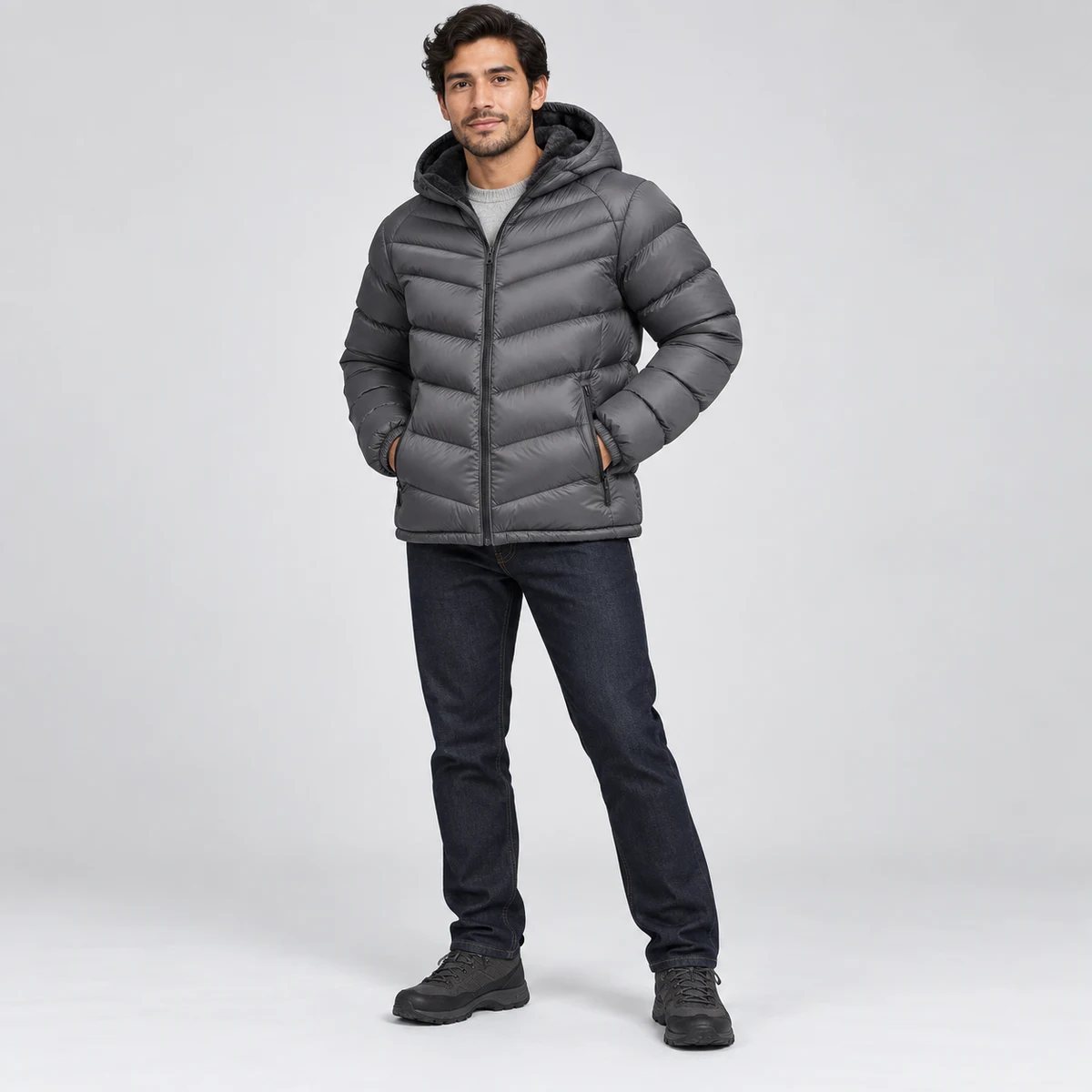
Buyers should request a physical sample and, when performance claims matter, agree on the test method or benchmark before bulk production. For retail descriptions, avoid claiming a temperature rating unless it has been validated. A more defensible product description explains the filling and construction features that contribute to insulation while leaving unverified temperature claims out of the listing.
The next step is to connect the approved product with a workable purchase order. Confirm MOQ by style and color, the size assortment, sample charges, payment schedule, production lead time, packing method and the Incoterm used for the quotation. Ask whether key fabrics and trims are stock items or require separate minimums. For repeat business, discuss how the supplier handles color continuity, material substitutions and replenishment, because a low first-order price has limited value if the style cannot be reproduced consistently.
For SEO and product communication, use the market term “ropa térmica” and the primary phrase “padded jacket insulation” where they genuinely describe the page, but keep technical claims tied to confirmed specifications. Product pages and supporting blog content should describe visible construction, intended use and verified materials instead of repeating the same keyword in every sentence. Useful internal links can point readers to relevant men's, women's or kids' padded jacket categories, OEM information, quality guidance and contact pages, creating a clear path from research to a wholesale inquiry.
The practical goal is a repeatable program, not a one-off sample. Before placing a bulk order, confirm the specification sheet, approved sample, color standards, size chart, packaging and inspection method in writing. SunCheer Apparel can discuss padded jacket wholesale, OEM and private-label requirements for South American buyers, with final materials and performance claims confirmed against the factory specification before publication or shipment.