
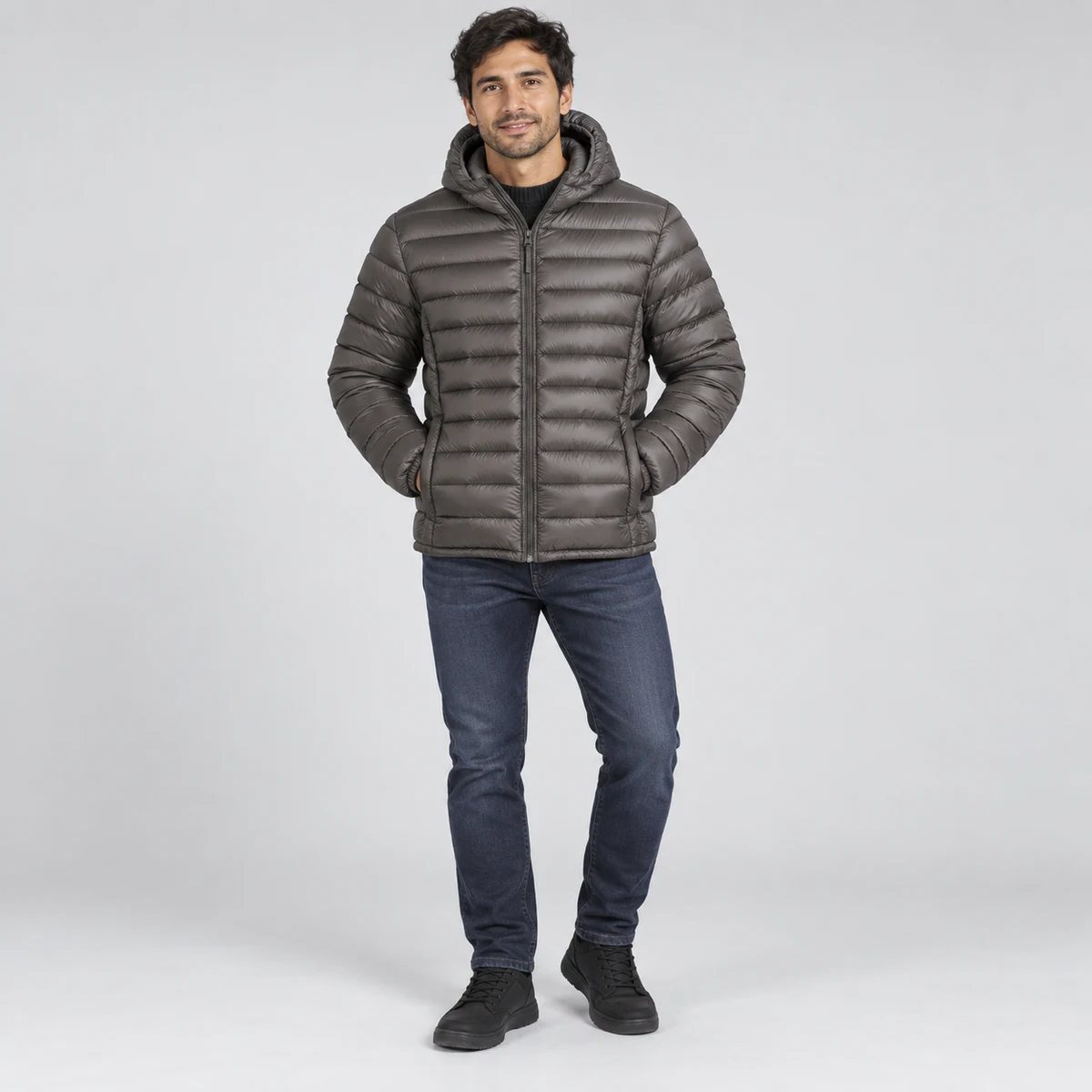
When buyers search for casacas importadas, the commercial question is not simply which jacket looks best, but which product can be sourced consistently at the required quality, price and delivery window. Peruvian apparel buyers may serve coastal, highland and city retail channels, so a practical jacket range should be built around clear use cases rather than a single generic specification. In this article, the focus is buying risk control, using “padded jacket lead time” as the core buyer keyword while keeping the language natural for search users. The objective is to help importers, retailers, distributors and private-label buyers compare options on evidence rather than on marketing language alone.
Start by defining the product's role in the assortment. Write down the target consumer, selling channel, expected weather use, target retail position and acceptable landed-cost range. Then translate those commercial goals into a supplier brief covering specification sheet, pre-production sample, inline checks, final inspection and shipment approval. For Peru, this step helps prevent an inquiry for “casacas importadas” from turning into a generic jacket quotation that is difficult to compare across factories.
Lead time should be broken into stages rather than treated as one number. A realistic plan includes inquiry and specification confirmation, sampling, sample revision if needed, material booking, bulk production, inspection, packing and transport. Custom fabric, trims, labels or packaging can extend the schedule, so buyers should identify which components are stock and which must be produced specifically for the order.
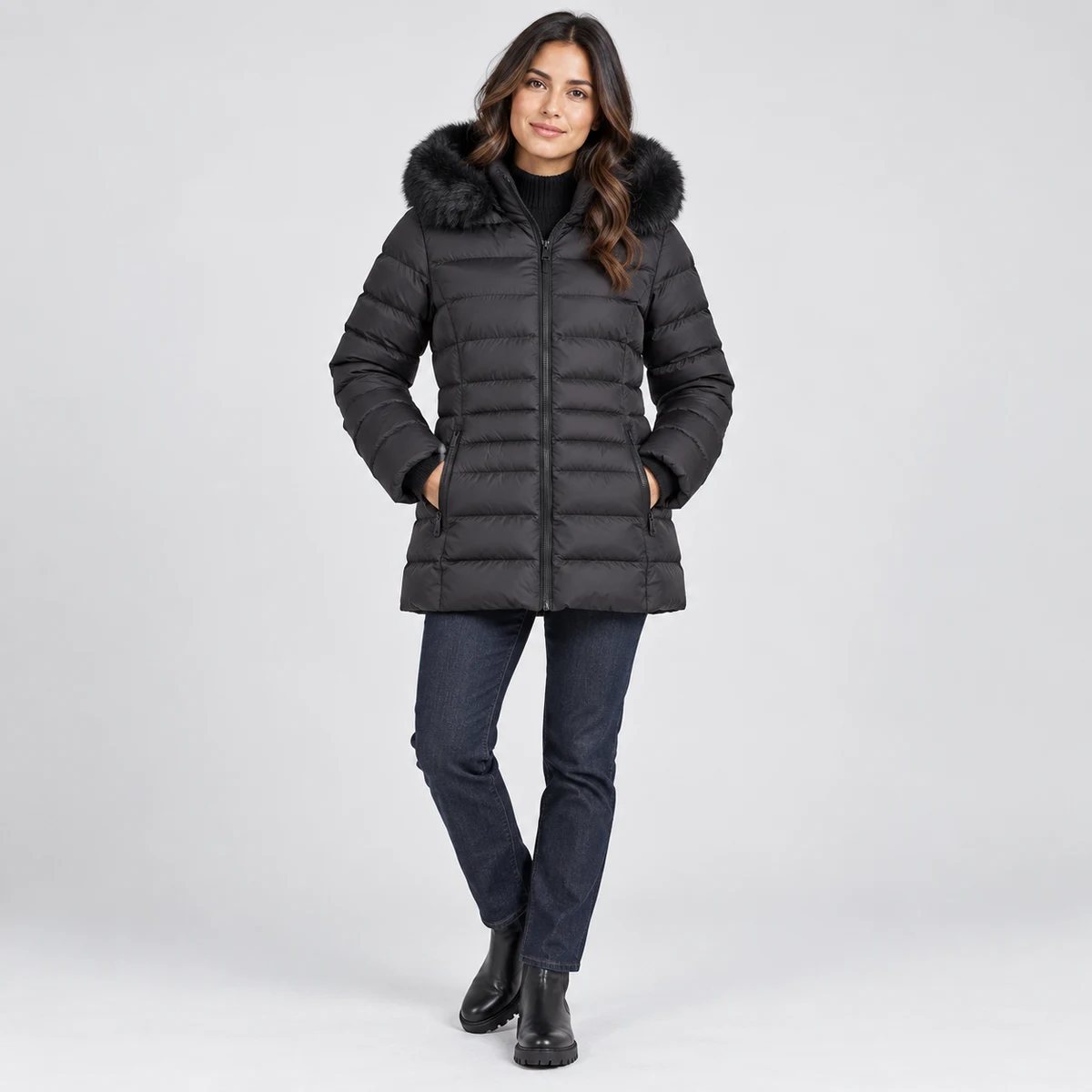
A useful purchase calendar works backward from the required selling date. Build in decision time for sample approval and a buffer for revisions, inspection findings or logistics changes. When comparing suppliers, ask for milestone dates instead of only a promised shipment date; this makes it easier to identify delays early and protect the launch window.
Once the product direction is clear, move from style selection to order planning. Confirm MOQ by style and color, the size assortment, sample charges, payment schedule, production lead time, packing method and the Incoterm used for the quotation. Ask whether key fabrics and trims are stock items or require separate minimums. For repeat business, discuss how the supplier handles color continuity, material substitutions and replenishment, because a low first-order price has limited value if the style cannot be reproduced consistently.
For SEO and product communication, use the market term “casacas importadas” and the primary phrase “padded jacket lead time” where they genuinely describe the page, but keep technical claims tied to confirmed specifications. Product pages and supporting blog content should describe visible construction, intended use and verified materials instead of repeating the same keyword in every sentence. Useful internal links can point readers to relevant men's, women's or kids' padded jacket categories, OEM information, quality guidance and contact pages, creating a clear path from research to a wholesale inquiry.
Good outerwear sourcing is ultimately about consistency: the bulk goods should match the approved sample in appearance, measurements, construction and packing. Keep key requirements documented from inquiry through shipment. SunCheer Apparel welcomes wholesale and OEM discussions for padded jackets, while recommending that buyers confirm fabric composition, filling, test requirements and final commercial terms for each style before ordering.